Published page
Flu season


The term flu season refers to an annually recurring period characterized by a sharp increase in the prevalence and transmission of influenza virus infections among humans.
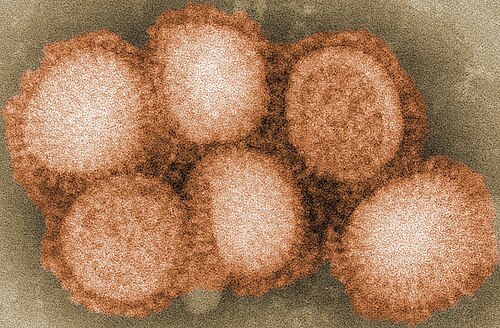
Flu season
The term flu season refers to an annually recurring period characterized by a sharp increase in the prevalence and transmission of influenza virus infections among humans.
Cyber cobra (talk) · CC BY-SA 3.0 · H1N1 navbox.jpg
The term flu season refers to an annually recurring period characterized by a sharp increase in the prevalence and transmission of influenza virus infections among humans.
Exactly when this period occurs varies substantially depending on global geographic location, but it consistently presents a predictable, seasonal challenge to public health systems worldwide.
Unlike many standard infectious diseases that maintain a steady baseline year-round, influenza is famous for its distinct seasonal periodicity. During the peak months, healthcare facilities experience massive surges in outpatient visits, emergency room admissions, and hospitalizations, making it a critical focus of annual epidemic monitoring and preventive medicine.
1. Overview and Periodicity
Flu season is not a global event happening at the exact same moment; rather, its timing is dictated primarily by hemisphere and local climate patterns.
- Northern Hemisphere: The flu season typically spans the cooler months from October to May. Peak activity most commonly occurs between December and February, though early surges in late autumn or secondary waves in early spring are frequently observed.
- Southern Hemisphere: Because seasons are inverted, the influenza peak occurs during the winter months of the global south, usually spanning from May to October, with maximum activity concentrated between July and August.[1]https://www.who.int/news-room/fact-sheets/detail/influenza-(seasonal) — The inverted seasonality requires global health bodies to continuously manage two separate vaccine production cycles each year.
- Tropical Regions: In tropical and subtropical zones near the equator, seasonal dynamics are much less pronounced. Flu activity may persist at moderate levels throughout the entirety of the year, or exhibit dual peaks corresponding with local rainy seasons rather than winter cold.
2. Causes and Contributing Factors
The exact mechanisms driving the sudden seasonal surge of influenza remain a subject of ongoing epidemiological research, but it is generally accepted to stem from a combination of viral stability, human behavior, and environmental conditions.
- Environmental Humidity and Temperature: The influenza virus demonstrates superior stability and prolonged airborne survival in cold, dry air. Low relative humidity allows respiratory droplets to evaporate into fine aerosols that can remain suspended in the air for extended periods.
- Indoor Crowding: During colder weather, human populations naturally spend significantly more time indoors in enclosed spaces. Reduced ventilation and close contact facilitate rapid person-to-person transmission through respiratory droplets.
- Host Immune Fluctuations: Shorter daylight hours in winter lead to decreased sun exposure, resulting in lower average Vitamin D levels in human populations.[2]https://www.ncbi.nlm.nih.gov/pmc/articles/PMC2870528 — This immunological phenomenon is sometimes referred to as the seasonal vitamin D deficiency hypothesis of influenza. Combined with dry nasal passages caused by cold air and indoor heating, host innate immune defenses against respiratory pathogens become temporarily degraded.
- Viral Antigenic Drift: The influenza virus undergoes continuous, minor genetic mutations in its surface proteins (Hemagglutinin and Neuraminidase). This process, known as antigenic drift, allows newly circulating strains to partially evade the immune memory built up by host populations during previous flu seasons.
3. Clinical Manifestations and Health Impact
While often confused with the common cold, seasonal influenza is a significantly more severe systemic respiratory illness.
The onset of seasonal flu is typically sudden and severe. Common clinical signs include a high fever, severe body aches and muscular pain, profound fatigue, dry cough, sore throat, and severe headaches. While most healthy individuals recover within one to two weeks without permanent sequelae, the illness causes substantial temporary disability and loss of productivity.
- Complications and At-Risk Groups
For vulnerable populations, the flu season presents a life-threatening hazard. Primary viral pneumonia or secondary bacterial pneumonia (commonly caused by *Streptococcus pneumoniae*) represent the main causes of severe morbidity and mortality. High-risk groups include:
- Adults aged 65 and older
- Young children, particularly those under two years of age
- Pregnant women
- Individuals with underlying chronic conditions (such as asthma, COPD, cardiovascular disease, or diabetes)
- Immunocompromised individuals
4. Public Health Response and Prevention
To mitigate the annual strain on medical infrastructure, public health authorities employ a multi-layered preventative strategy centered around active surveillance and mass immunization.
- Seasonal Vaccination
Vaccination represents the primary defense against seasonal influenza. Because the virus rapidly mutates, the World Health Organization (WHO) coordinates a global surveillance network to predict which strains will be most prevalent in the upcoming season. Based on these predictions, seasonal flu vaccines are reformulated every six months—once for the Northern Hemisphere and once for the Southern Hemisphere.[3]https://www.who.int/initiatives/global-influenza-surveillance-and-response-system — The strains are selected months in advance during bi-annual WHO consultation meetings to allow sufficient manufacturing lead time. Health agencies recommend annual vaccination prior to the local onset of flu activity.
- Epidemiological Surveillance
Global initiatives monitor circulating viral isolates to detect emerging strains early. This constant tracking helps identify potential "antigenic shifts"—sudden, major genetic reassortments that have the potential to break out of normal seasonal parameters and trigger a global pandemic.
- Personal Hygiene Measures
Non-pharmaceutical interventions play a vital role in curbing community spread during peak months. Standard guidance emphasizes frequent handwashing with soap, the use of alcohol-based hand sanitizers, wearing masks in crowded indoor environments, practicing cough etiquette, and voluntary isolation upon the onset of symptoms.
5. Trivia
5.1 Viral Interference and Pandemic Replacement
The co-existence of influenza with other respiratory pathogens is governed by a epidemiological phenomenon known as viral interference. During the 2009 H1N1 pandemic, the expected autumn surge of influenza in Western Europe was notably delayed due to a preceding seasonal outbreak of Human Rhinovirus (HRV), which triggered a transient innate immune response (specifically type I interferon activation) across the population.[4]https://www.ncbi.nlm.nih.gov/pmc/articles/PMC2994919 — The temporary cellular defense mounted against the common cold effectively blocked the pandemic flu virus from establishing early autumn dominance. Furthermore, the global emergence of SARS-CoV-2 in 2020 led to a near-total displacement of circulating influenza strains. This ecological disruption resulted in the potential extinction of the Influenza B/Yamagata lineage, which has not been isolated globally since March 2020.
5.2 The Avian Origin of Latitude-Based Bimodality
While temperate zones experience influenza seasonality during their respective winter months, tropical and subtropical regions exhibit complex epidemiological patterns, including year-round endemic circulation or double-peak seasonality. This phenomenon is closely tied to the migration routes of aquatic wild birds (order Anseriformes), the natural reservoir of Influenza A. Tropical zones often experience peak transmission coinciding with the rainy season rather than temperature drops. High humidity facilitates viral stability in water bodies and droplet droplet nucleus size modifications, altering aerosol dynamics compared to the dry-cold survival mechanisms observed in high-latitude winters.
5.3 The 1977 Russian Flu and the Freeze Hypothesis
The 1977–1978 influenza epidemic (caused by the H1N1 subtype) presented a genetic anomaly that uniquely illuminates the history of viral preservation. Genomic sequencing revealed that the 1977 strain was virtually identical to an H1N1 strain that had circulated in 1950. Because influenza viruses undergo rapid antigenic drift—accumulating mutations over time—a 27-year evolutionary stasis is naturally impossible. Epidemiological consensus suggests the virus was accidentally released from a laboratory setting or a improperly preserved vaccine trial cohort where the 1950 strain had been kept cryogenically frozen.[5]https://www.ncbi.nlm.nih.gov/pmc/articles/PMC3298256 — The incident came to be known informally in public culture as the Russian flu outbreak due to early reporting locations. Consequently, the outbreak almost exclusively affected individuals under the age of 27 who lacked pre-existing immunity from the 1950s.
5.4 The Original Antigenic Sin (Hoskins Effect)
An individual's immunological response to flu season is heavily dictated by the first influenza strain encountered in childhood, a concept termed "Original Antigenic Sin" (OAS). The immune system's memory B-cells are preferentially imprinting to respond to the epitopes of this primary strain. During subsequent flu seasons involving mutated strains, the immune system frequently reactivates these historical memory cells rather than initiating a new response to novel antigens. This can lead to sub-optimal antibody production if the circulating strain has drifted significantly from the individual's childhood index virus.
5.5 Absolute Humidity and Enveloped Lipid Phase Transition
The structural integrity of the influenza virus particle relies on a host-derived lipid envelope. The seasonal timing of outbreaks in temperate regions is physically dictated by absolute humidity levels rather than relative humidity or ambient temperature alone. At low absolute humidity—typical of winter indoor heating environments—the fluid-like lipid membrane of the virus undergoes a phase transition into a semi-solidified, gel-like state. This structural hardening protects the virion from environmental degradation while airborne, significantly extending its half-life and facilitating long-distance transmission via droplet nuclei.
5.6 The Equine Influenza Pandemic of 1872 and Infrastructure Collapse
Before the emergence of modern motor transport, flu seasons occasionally targeted non-human vectors with devastating socio-economic consequences for human civilization. The Great Epizootic of 1872 was an outbreak of Equine Influenza that incapacitated up to 90% of the horse population in North America.[6]https://www.canadiangeographic.ca/article/great-epizootic-1872 — The rapid spread was exacerbated by the heavy reliance on railway networks, which inadvertently transported infected horses across state lines. Because 19th-century urban transit, agricultural distribution, fire services, and coal haulage relied entirely on draft horses, major cities came to a virtual standstill. The resulting paralysis caused widespread economic disruption, indirect human mortality through supply chain failures, and catalyzed the adoption of mechanical streetcars.
Child documents of "Flu season"
None yet.